
The evolution of gambling A historical journey through time
The Origins of Gambling
The history of gambling can be traced back to ancient civilizations, where it played a significant role in social rituals and recreational activities. Archaeological evidence suggests that as early as 3000 BC, the Chinese engaged in games of chance using rudimentary forms of dice. Similarly, in ancient Rome and Greece, gambling was intertwined with cultural practices, often seen at festivities and celebrations. Today, platforms like the spinbara website continue this thrilling tradition, offering a modern take on these ancient pastimes.
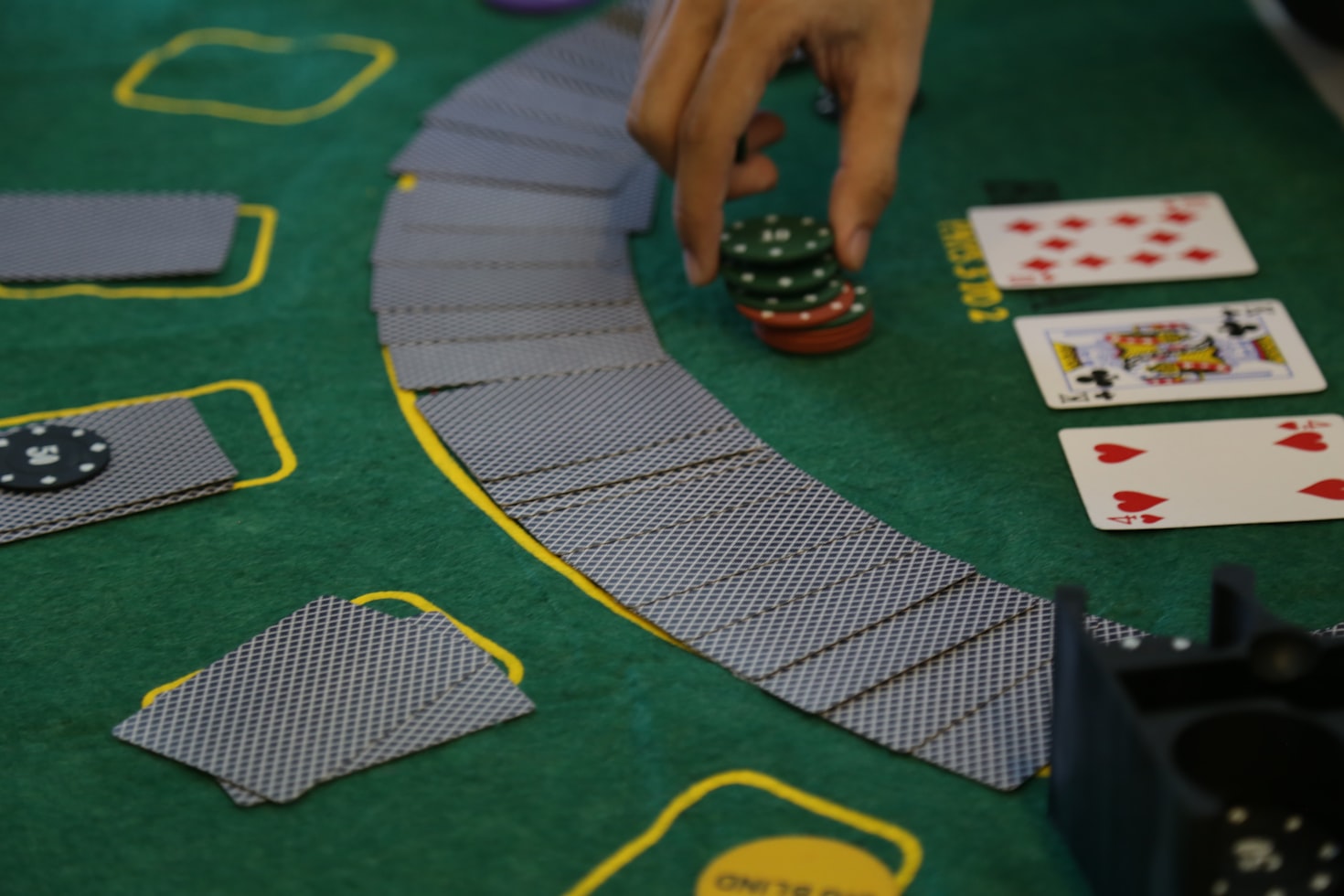
As societies evolved, so did the complexity of gambling practices. The introduction of gaming boards and cards marked a significant shift, moving from simple bets on outcomes to more strategic forms of play. These early gambling activities laid the groundwork for the elaborate gaming systems we see today.
The Rise of Regulated Gambling
The medieval period in Europe saw the emergence of more structured forms of gambling, leading to the establishment of regulated gambling houses. By the 16th century, gambling became a popular pastime among the aristocracy, prompting governments to take notice. The first recorded lottery in England appeared in 1569, designed to raise funds for public projects, setting a precedent for state-sponsored gambling.
As gambling gained popularity, various laws were enacted to control and regulate the industry. This regulation was essential in reducing illegal gambling activities, which often led to corruption and social issues. The establishment of official casinos in the 18th century further legitimized gambling, providing a safe environment for patrons to enjoy their favorite games.
The Advent of Modern Gambling
The 20th century marked a significant turning point in the evolution of gambling, particularly with the introduction of electronic gaming machines and casinos. Las Vegas emerged as a gambling capital, drawing millions of visitors seeking entertainment and the thrill of chance. This era saw the fusion of gambling with luxury, as establishments transformed into lavish resorts offering a range of amenities.
The proliferation of online gambling in the late 1990s revolutionized the industry. Players could now engage in their favorite games from the comfort of their homes, leading to an explosion in the number of online platforms. This digital shift provided unprecedented access to gambling, attracting a broader audience than ever before.
The Role of Technology in Gambling
The integration of technology has reshaped the gambling landscape in recent years. Innovations such as mobile gaming apps and live dealer games have enhanced the user experience, making it more interactive and engaging. Players can now enjoy real-time gaming experiences with live dealers, which bridge the gap between online and in-person gaming.
Additionally, the rise of cryptocurrencies has introduced new payment options, appealing to a tech-savvy audience. The anonymity and security offered by digital currencies have made them increasingly popular among online gamblers, further expanding the market and the diversity of gaming options available.

SpinBara Casino: The Future of Online Gaming
As the gambling industry continues to evolve, platforms like SpinBara Casino are at the forefront, offering a modern gaming experience tailored to the needs of today’s players. Launched in 2024, SpinBara features an extensive collection of games, including slots, table games, and live dealer options, ensuring that there is something for every type of player.
With its user-friendly interface, generous bonuses, and dedicated customer support, SpinBara Casino prioritizes player satisfaction and security. As the landscape of gambling keeps changing, SpinBara remains committed to providing an exciting and safe environment for gaming enthusiasts to enjoy their favorite pastimes.